
Diving in Marsa Alam at a glance
Dive bases and camps lie along the whole coast, north and south of the town. Beginner, certificate and advanced programs are offered, and a supervised introductory dive is a different thing from independent diving. What you can do depends on your certification, your experience and the base you book with.
The most famous site is Elphinstone, an open-sea reef that often has strong currents. It is a place for experienced divers, not a house reef for every beginner certificate. Multi-day liveaboard trips go further out, and they have their own requirements.
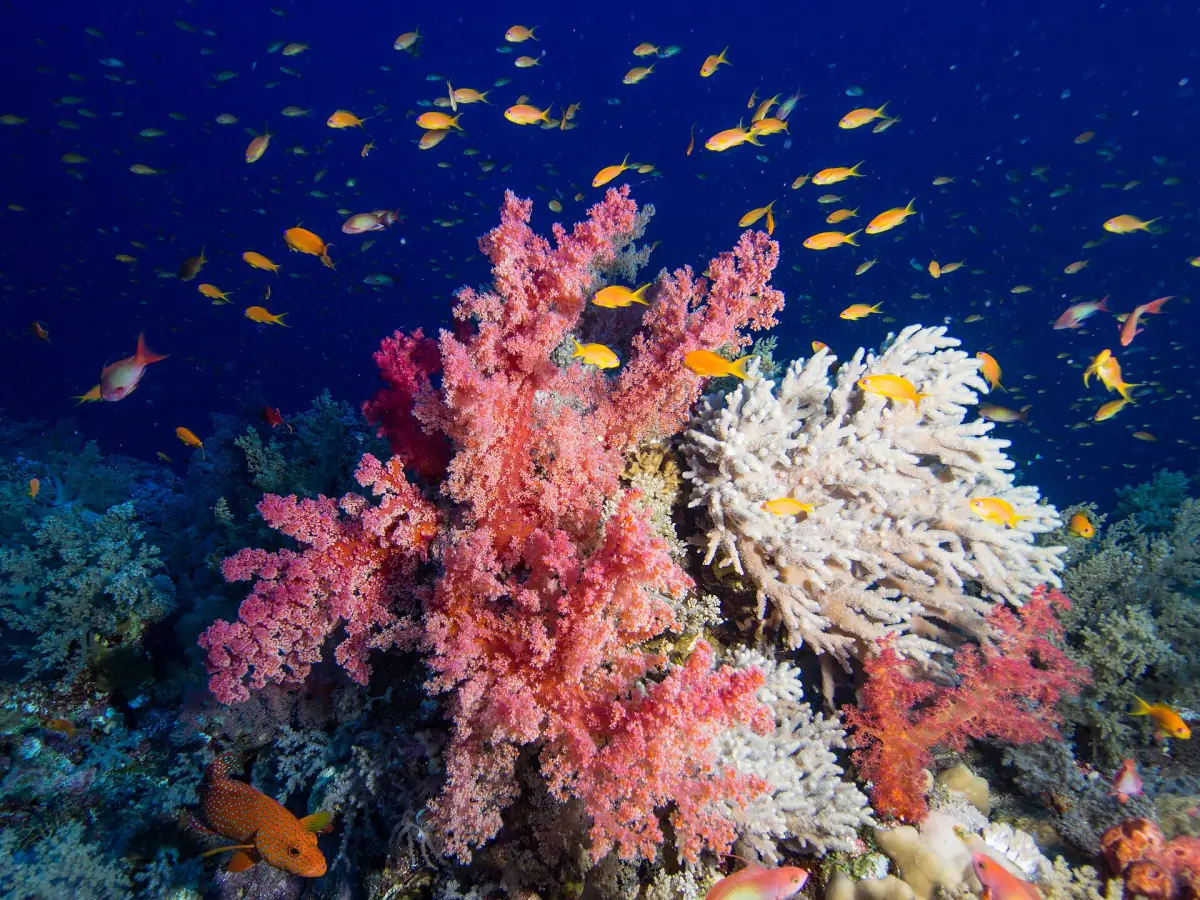
Our picks: diving in Marsa Alam
Two shore dives with full gear, a three-day Open Water course and a dive at El Quseir. The shore dives suit certified divers and beginners alike; the course is for people who want a certificate.
Hand-picked tours, booked through GetYourGuide. Prices are indicative starting prices in US dollars (as of October 2026). Tap a tour for live availability and the current price in your currency.
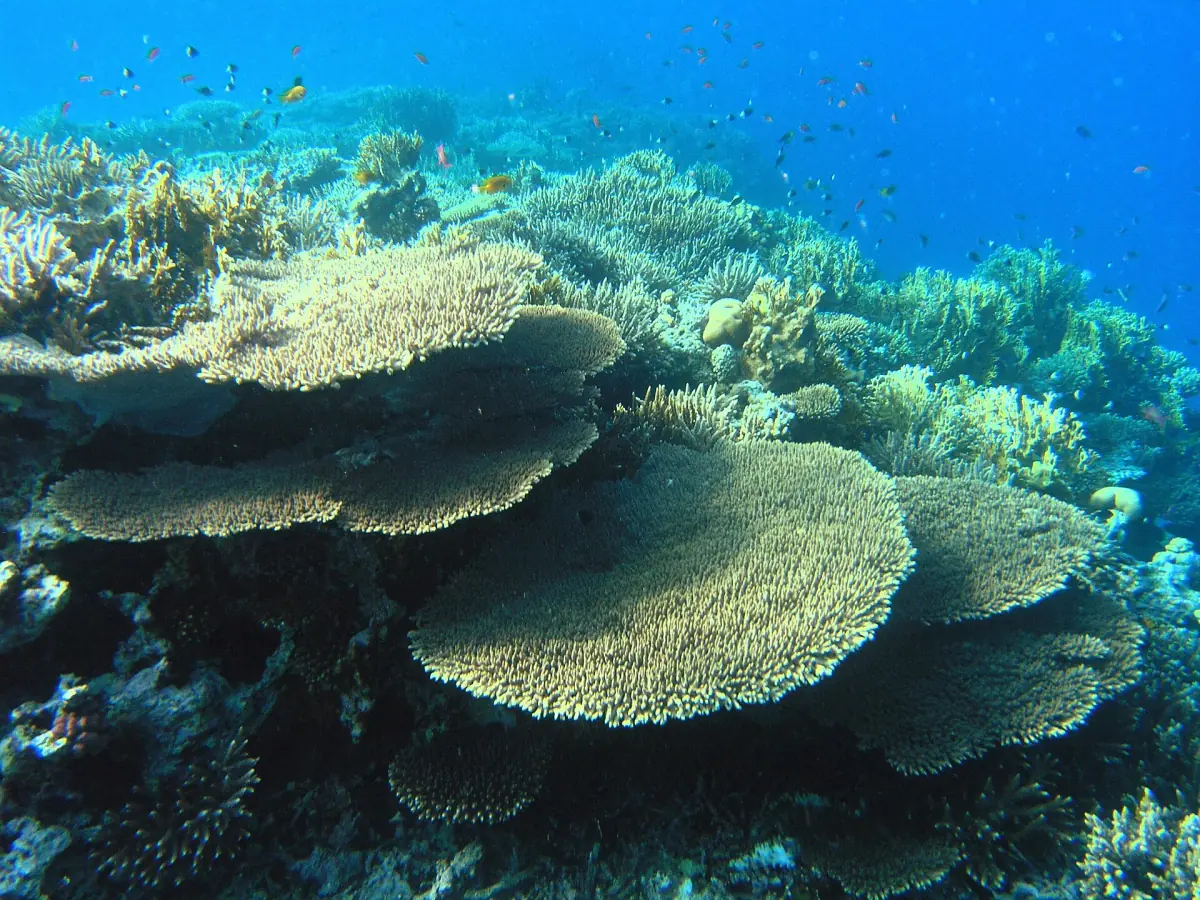
3-day SSI Open Water Diver course
- Theory and open water dives
- Equipment, tanks and weights
- Hotel transfer in Marsa Alam
No experience needed. The required e-learning material and the daily park fee are extra, and certification follows only once all requirements are met.
Check availability →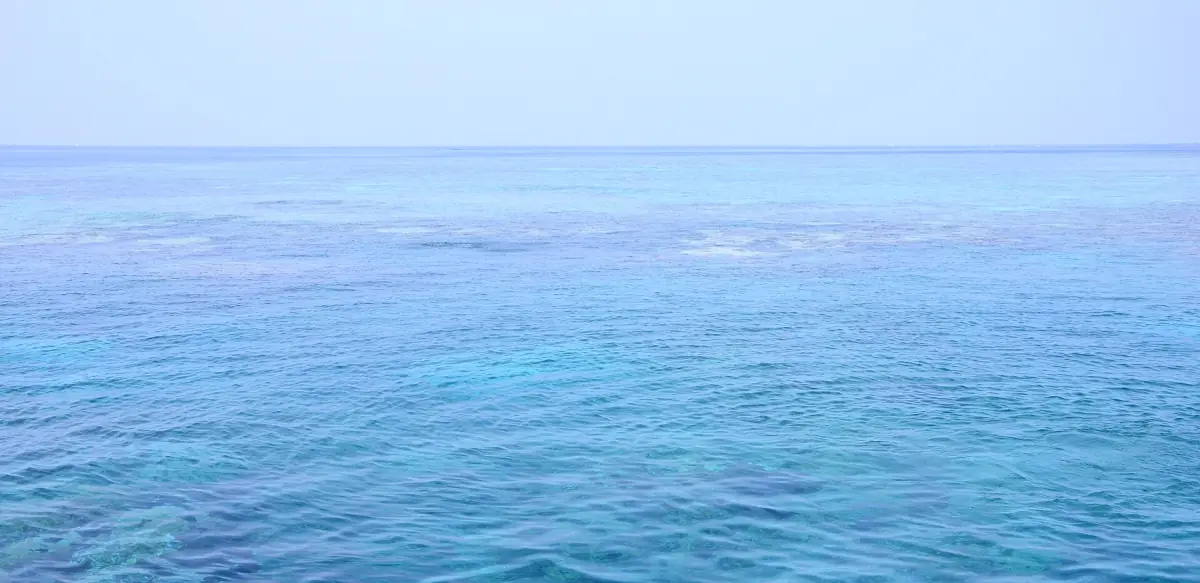
Two guided shore dives at Tondoba Beach
- Full dive equipment
- Marine park fee
- Professional dive guide
Beginners can join without experience. Certified divers need an Open Water card or equivalent.
Check availability →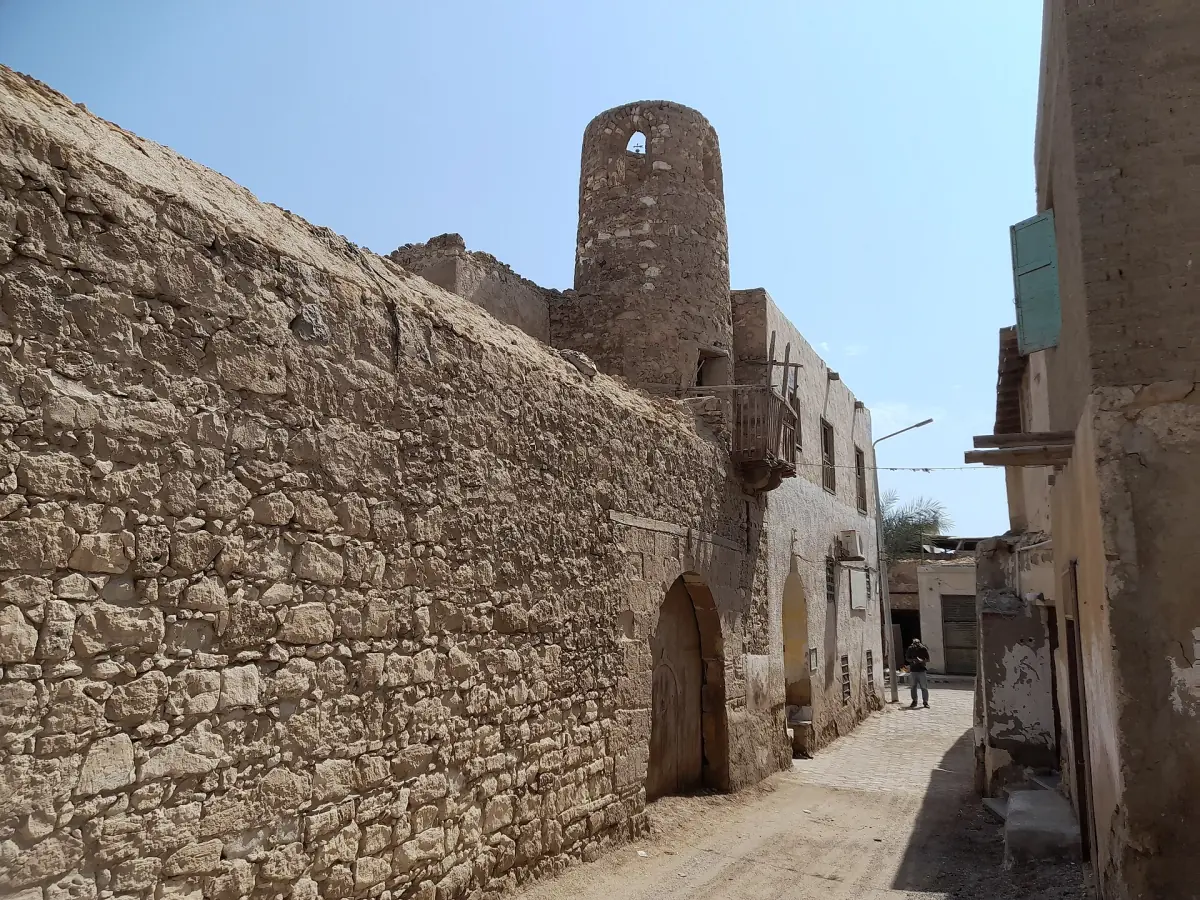
Diving on the Serib Kebir reef off El Quseir
- Dive at Serib Kebir reef
- Pick-up and return
- Water, tea and snacks
Four hours for beginners and experienced divers, with basic equipment for intro dives. The dive site is the reef off El Quseir, not a town tour.
Check availability →Marsa Alam diving and dive trips
Introductory dives, boat dive days and snorkeling add-ons, with live prices and availability.
Dive options compared
What each option asks of you.
| Option | Level | What to know |
|---|---|---|
| Introductory dive | No certificate | Supervised 1 : 1 with an instructor |
| Shore program | Beginner | For a complete Discover Scuba program from the shore, the ratio is 1 : 2 |
| Course | Beginner to advanced | Beginner, certificate and advanced programs are offered |
| Coastal reefs, day boat | Certified | 1 guide or instructor per 12 participants |
| Elphinstone | Experienced | Open sea, often strong currents; a place for experienced divers only |
| Brothers and Daedalus | Experienced | Often at least 50 logged dives and no night diving; check the requirement of your operator |
| Liveaboard | Certified, often experienced | Not a beginner trip; check boat safety first |
For most beginners, an introductory dive or a course on the coast is the right start. Experienced divers who want the open-sea reefs should look at Elphinstone or a liveaboard. Both suit divers with logged experience.
Elphinstone Reef
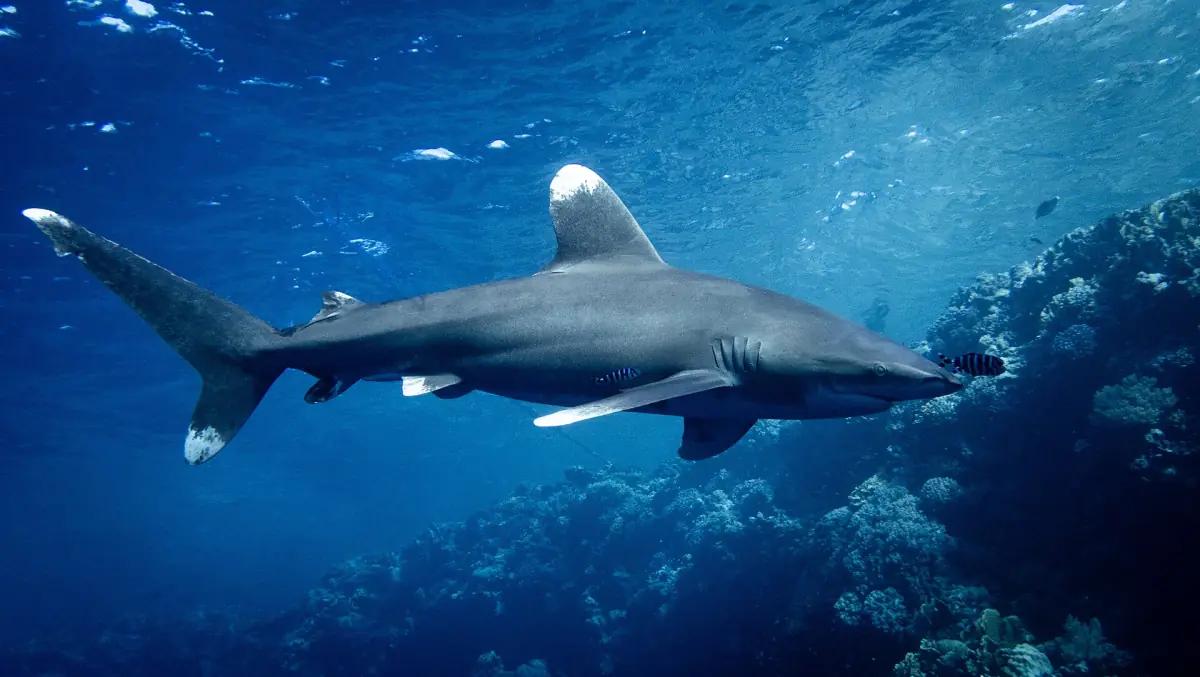
Elphinstone is an open-sea reef. Currents are often strong and the site is meant for experienced divers. It is not freely accessible with any beginner certificate. Check the requirements of your operator before you book. Sightings of sharks cannot be promised on any dive.
Abu Dabbab also has numbered offshore dive sites, and these are separate from the paid beach access in the bay. Do not treat the two as the same thing when you book. For more on the bay itself, read Abu Dabbab Bay.
Liveaboard in the Red Sea
A liveaboard is a dive boat where you sleep and dive for several days. It is not a beginner trip. UK safety guidance from February 2025 pointed to problems with stability, life-saving equipment, fire protection and escape routes on inspected boats. Online reviews do not replace a check of the safety briefing, so ask for the briefing before departure and for proof of the boat's safety standards.
Technical diving has its own rules. Updated requirements for technical diving at bases and on safari boats apply from 1 March 2026. A normal recreational dive license of a base says nothing on its own about whether it may offer technical activities.
- Depth: the Chamber's guideline sets 40 m as the maximum for recreational air diving, only where training and experience allow it, and a nitrox limit of PPO2 1.4 ata.
- Fees: in 2026, expect a daily permit of around €4 and a night-dive supplement of around €15. Fees differ by base, so check the current amount when you book.
- Organization: the NGO HEPCA runs conservation projects. It is not a diving license authority.
Questions to ask a dive base
Dive bases differ in group size, boats and rules. A few questions make the choice easier and the day safer.
- Briefing: a briefing about the environment comes before any boat trip and before you enter the water. Ask what it covers.
- Ratio: ask how many divers one guide takes. The Chamber's ratios are 1 guide per 12 participants on day and safari boats.
- Level: ask what certification and logged dives the site requires. Requirements differ by operator and by site.
- Equipment and fees: ask what is included and which permit or environmental fees are added.
- Boat: ask about the safety briefing, life jackets, fire protection and escape routes.
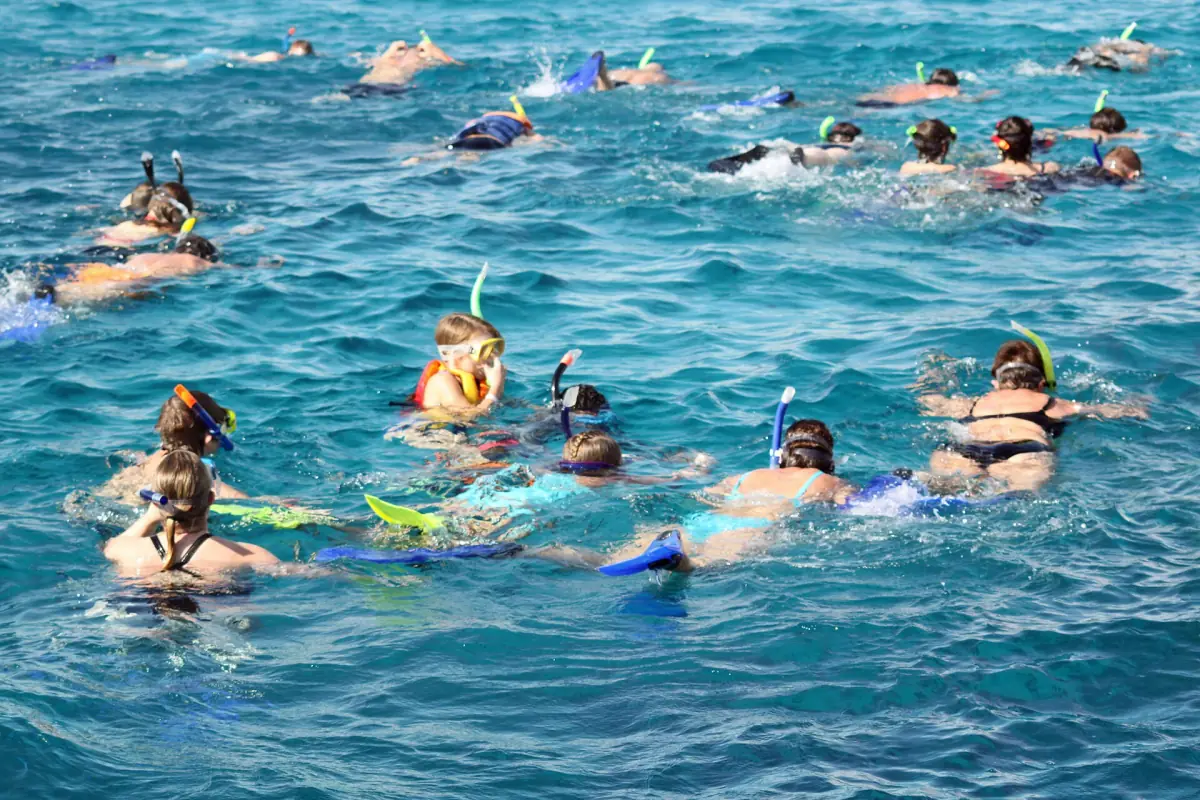
If you prefer to stay near the surface, a snorkeling day is a good alternative. Read snorkeling in Marsa Alam.
Plan the rest of your trip
Where diving fits.
Marsa Alam diving: frequently asked questions
Can beginners dive in Marsa Alam?
Yes, through introductory dives and courses on the coast. A supervised introductory dive uses a ratio of 1 : 1. Elphinstone is for experienced divers.
Do I need a diving permit?
There is no single personal permit that all visitors buy. Some bases charge a daily fee, around €4 in 2026. Check the current amount when you book and ask what is included.
How deep can I dive?
The Chamber's guideline names 40 m as the maximum depth for recreational air diving, and only where your training and experience allow it.
Can I count on seeing sharks?
No. Sharks cannot be promised on any dive. Read shark safety for facts with dates.
Is a liveaboard safe?
That depends on the boat and the operator. UK safety guidance from 2025 pointed to problems on inspected boats, so check the briefing and the safety equipment before you board.