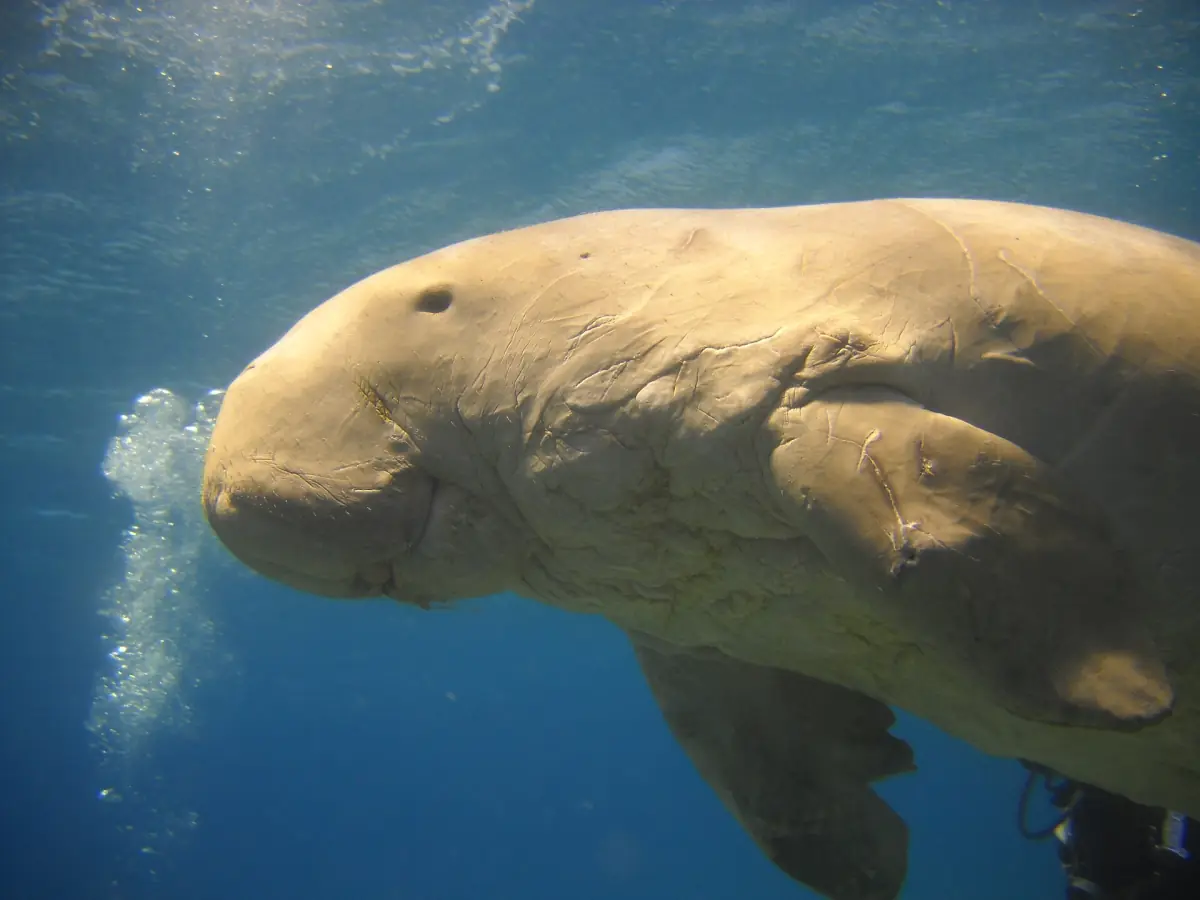
The dugong in Marsa Alam at a glance
The dugong (Dugong dugon) is a marine mammal that grazes on seagrass in shallow coastal water. It is often called a sea cow, and it is not the same animal as a manatee. Around Marsa Alam, seagrass meadows in sheltered bays are the places where visitors look for it, and Abu Dabbab is the one most people head for. Marsa Mubarak is another bay where dugongs are watched.
A dugong is a wild animal, not an attraction. It can be in a bay on one morning and absent on the next, and no trip can promise a sighting. What you can control is how you behave in the water, which decides whether the animal stays and keeps feeding.
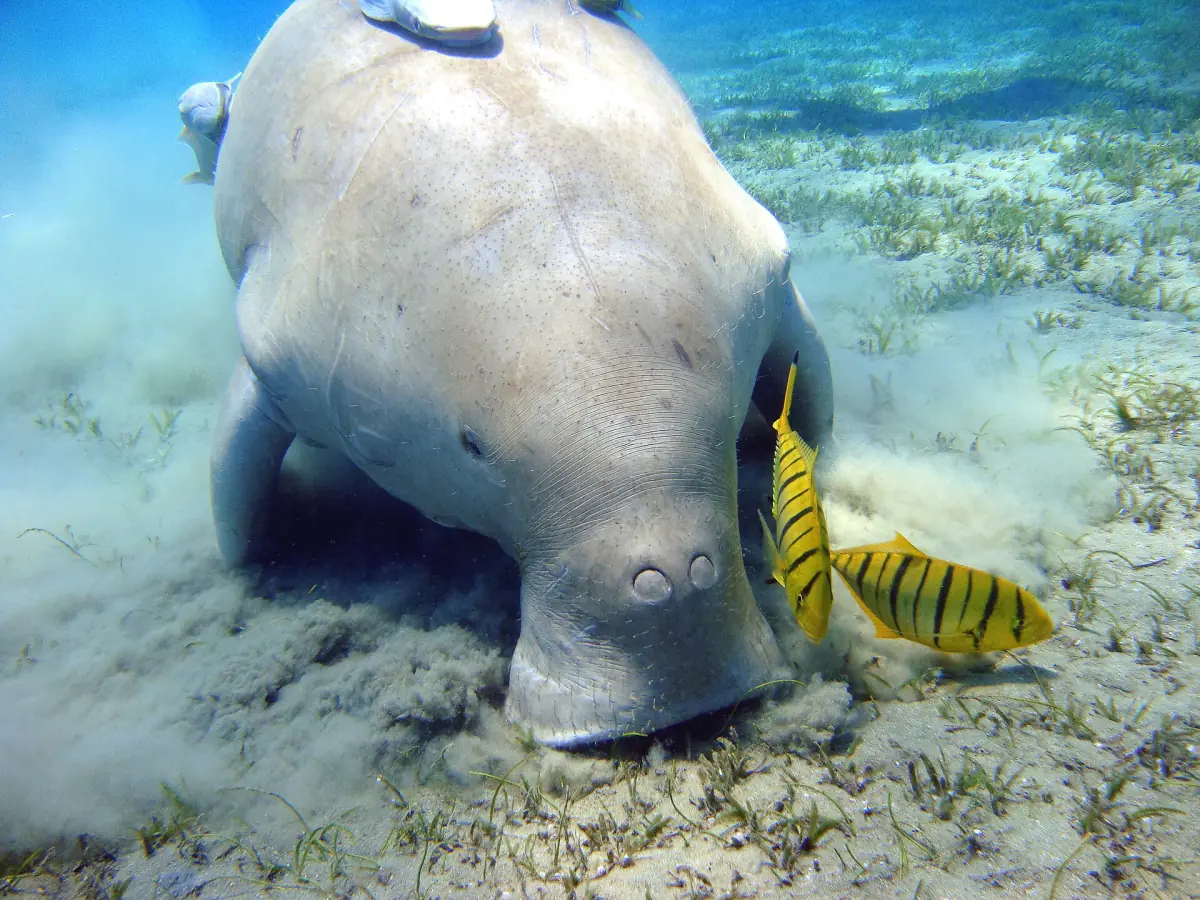
Our pick: a dugong trip
A short speedboat trip to the seagrass bays where dugongs graze. It fits this page because it heads straight for that habitat, though a sighting is never promised.
Hand-picked tours, booked through GetYourGuide. Prices are indicative starting prices in US dollars (as of October 2026). Tap a tour for live availability and the current price in your currency.
Dugong and snorkeling trips from Marsa Alam
Boat and snorkeling trips to the seagrass bays and reefs, with live prices and availability.
Where to look for dugongs near Marsa Alam
Two bays come up again and again. The choice depends on whether you want a beach day or a boat trip.
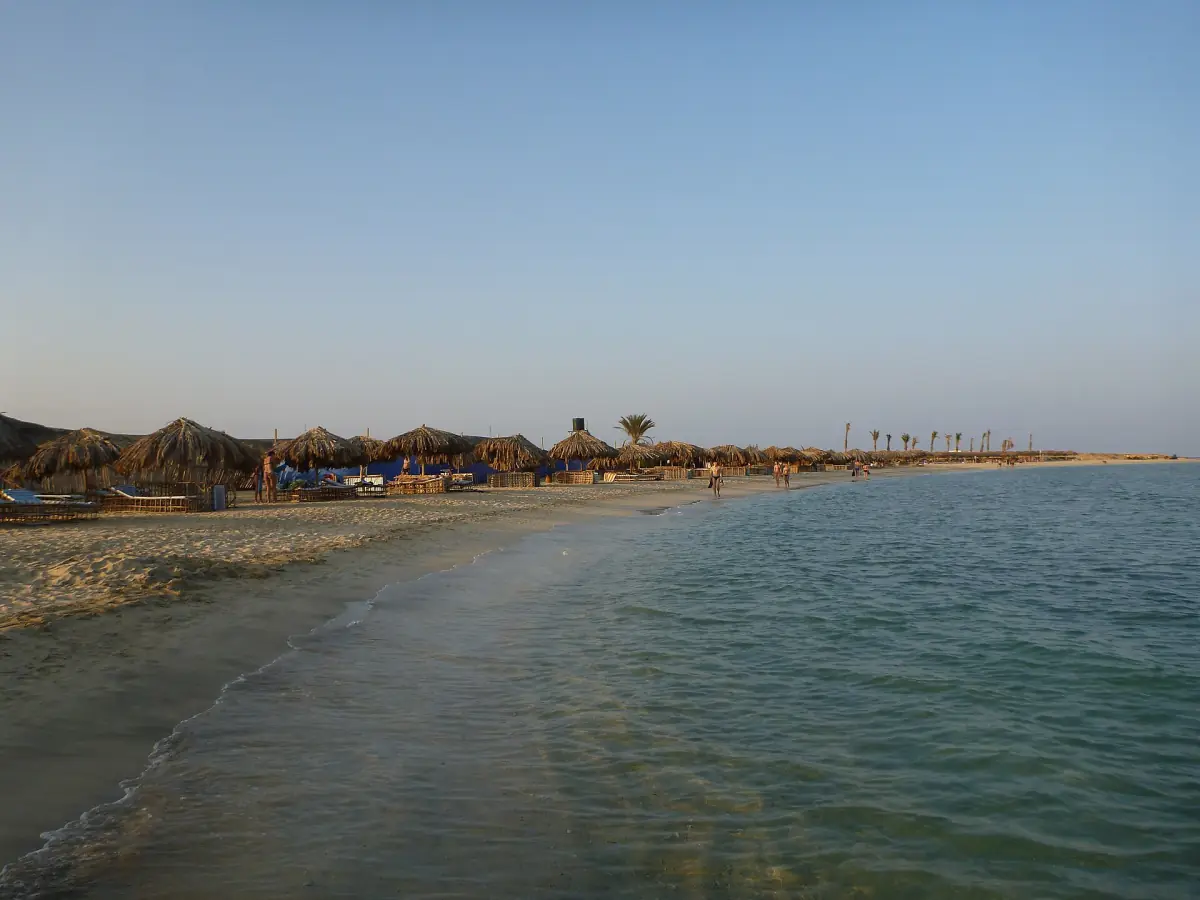
Abu Dabbab
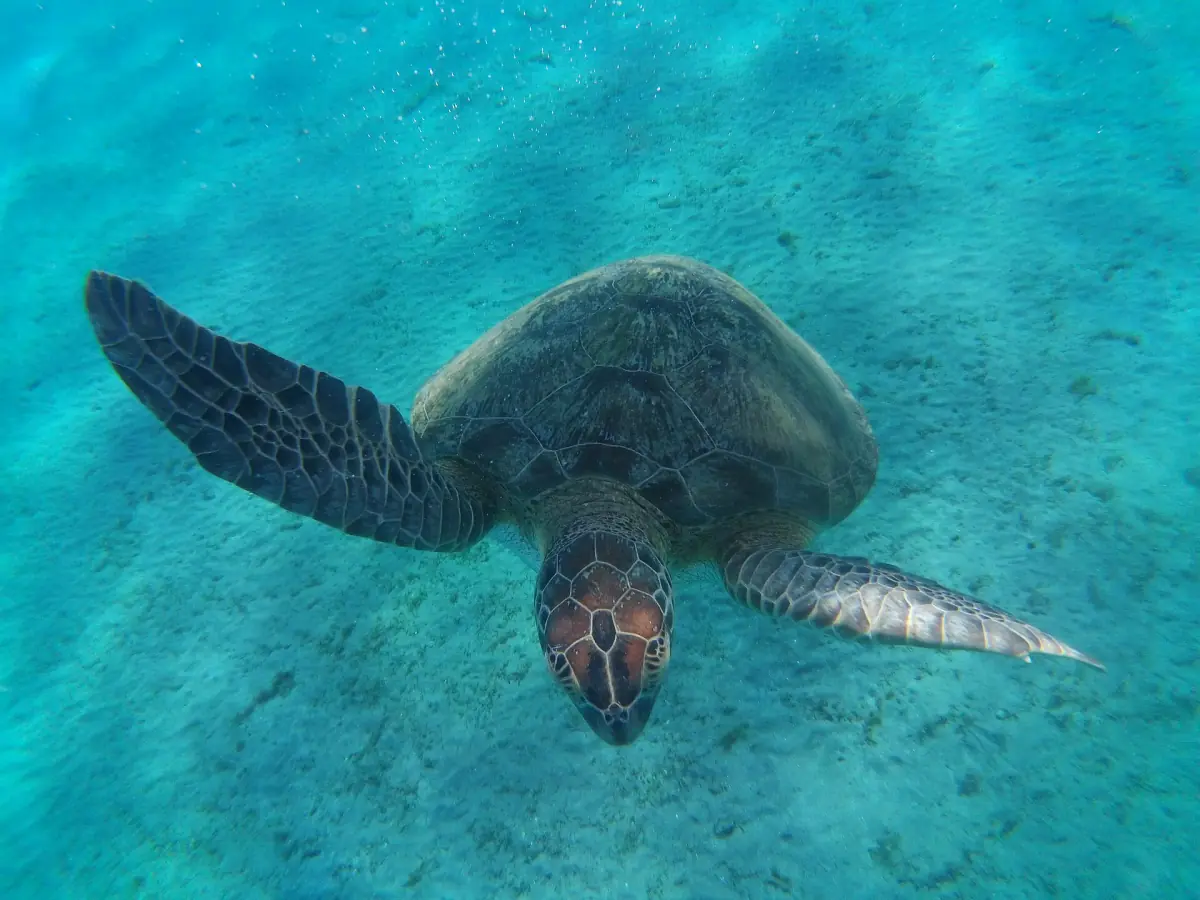
The bay has seagrass meadows and coral habitat, and dugongs and turtles use it. Access to the beach is through a paid day pass with a digital ticket, so plan it as a beach day with snorkeling rather than a quick stop. The page on Abu Dabbab Bay explains the pass, the facilities and the beach rules.
Marsa Mubarak
Marsa Mubarak is a boat trip destination with seagrass and reef, and it is also known as a place to watch dugongs. The name is also written Marsa Mobarak or Um el Rouse, and it is the same place. Boat snorkeling trips start at about EUR 50 in 2026; check the current price when you book.
Other seagrass bays
Seagrass grows in other sheltered bays along the coast. Ask the trip operator which bay is planned and what the group is likely to see, and do not expect every stop to be a dugong stop. The snorkeling page compares the reefs and boat trips.
Rules for dugongs in the water
These come first, before any photo.
Keep your distance
Stay back and let the animal decide how close it comes. Do not swim up to it, do not chase it and do not block its way. Leave it a clear route to deeper water at all times.
Move slowly and quietly
Slow movements and low noise keep a feeding animal calm. Avoid sudden kicks, splashing and shouting, and keep the group together instead of spreading out around the animal.
Never touch or feed
Touching or feeding a dugong is not allowed and is not part of any legitimate trip. Stay away from an animal that looks sick or injured and tell your guide.
Protect the seagrass and the reef
Do not stand on the seagrass or on corals, and take no shells or coral. Boats should use the moorings. Organised snorkeling trips are limited to 12 guests per snorkel guide, and a briefing on the environment comes before you enter the water.
If a trip operator offers to get you close to a dugong, to touch one or to surround it for photos, choose another trip. That is the surest sign of a bad operator.
How many dugongs live here and what that means for you
The dugong is listed as Vulnerable worldwide. That is a global category and says nothing about how many animals live in one bay near Marsa Alam today. Numbers in a single bay change, and an animal that you see on one trip may not be there on the next.
For you this means two things. First, expect a good snorkeling day rather than a certain dugong. Seagrass beds, turtles and reef fish are also worth the trip. Second, treat every sighting as a privilege and follow the rules above, because crowding is what drives animals out of a bay.
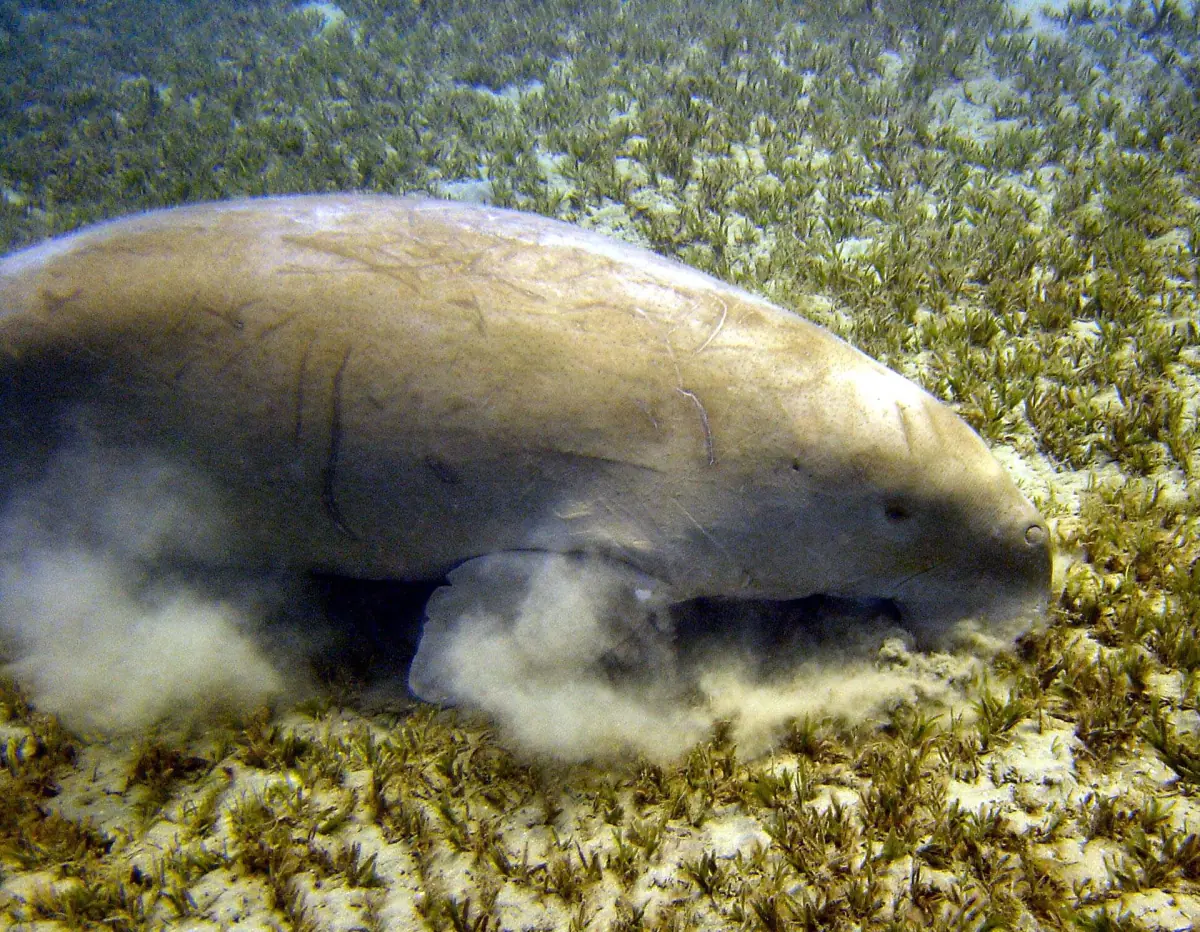
Dugong or manatee? A short comparison
The two are easy to mix up.
| Question | Dugong | Manatee |
|---|---|---|
| Found in the Red Sea | Yes | No |
| Where to look near Marsa Alam | Seagrass bays such as Abu Dabbab and Marsa Mubarak | Nowhere on this coast |
| Where it lives | Coastal waters of the Indian and Pacific oceans | Atlantic side, not the Red Sea |
For most visitors, the simplest plan is a snorkeling day in a seagrass bay with a small group and a guide who explains the rules before you get in. The sea turtle page covers the other animal you may meet in the same bays.
More Marsa Alam guides
Other pages for planning your days on the coast.
Dugongs in Marsa Alam: frequently asked questions
Can I be sure to see a dugong?
No. Dugongs are wild animals, and a bay that had one yesterday may not have one today. Book the trip for the snorkeling and treat a sighting as a bonus.
Is the dugong the same as a manatee?
No. Both are sea cows, but the dugong lives in the Red Sea and the Indian and Pacific oceans, and it grazes on seagrass in shallow coastal water.
Can I touch or feed a dugong?
No. Touching and feeding are not allowed. Keep your distance, move slowly and quietly and leave the animal a clear way out.
Where can I look for dugongs?
Abu Dabbab is the best known bay, and Marsa Mubarak is another. Both have seagrass. Neither can promise a sighting on your day.
Do I need to book Abu Dabbab in advance?
Booking ahead is strongly advised because the daily capacity is limited. The Abu Dabbab page explains the day pass.
How big are snorkeling groups?
Organised snorkeling trips are limited to 12 guests per snorkel guide, and a briefing on the environment comes before you enter the water.