Marsa Alam history in short
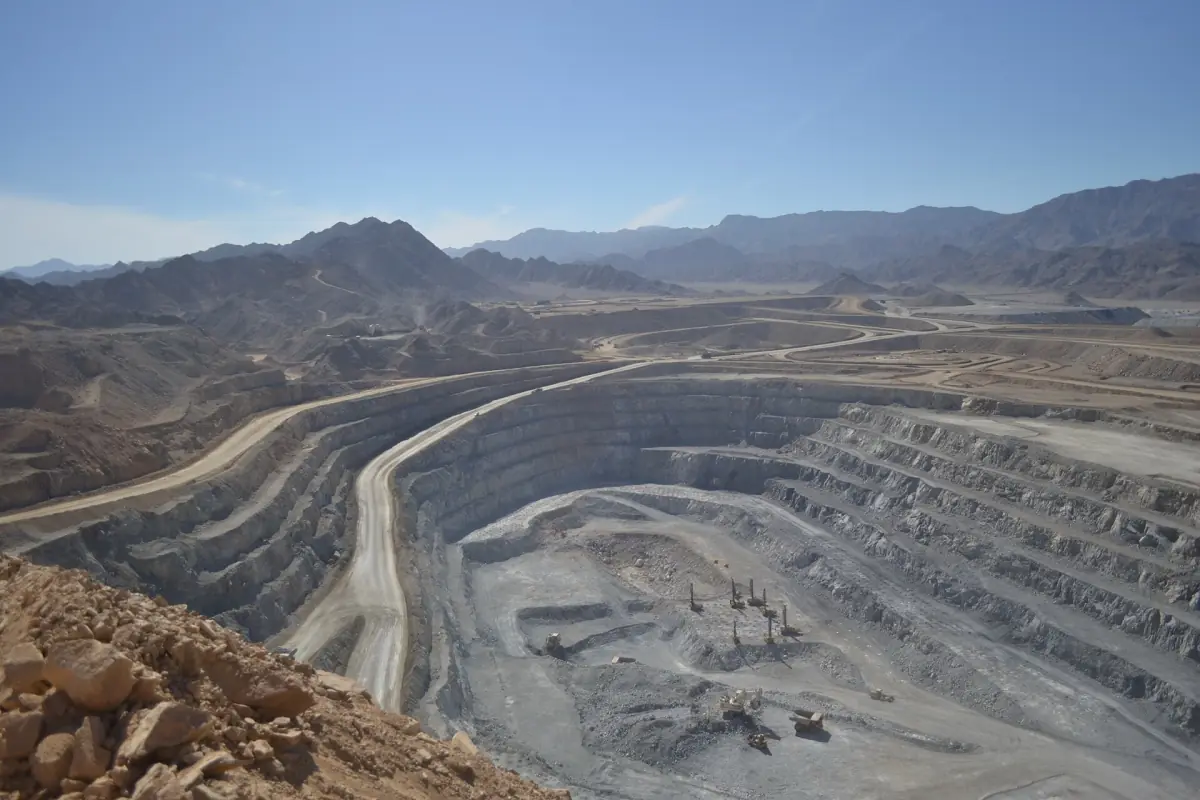
The history of Marsa Alam has three layers that are easy to mix up. The oldest is mining: the emerald workings of Wadi Sikait and nearby wadis, which date to the Ptolemaic, Roman and Byzantine eras. The second is the port history of El Quseir, the neighbouring town, which has an Ottoman fort from 1571. The third is modern tourism, which began with an airport and charter flights in 2001.
Marsa Alam as a resort coast is a recent story. No ancient city founded by a named ruler is documented on the site of today's town. To see what the coast offers now, start with the Marsa Alam excursions and come back here for the background.
The emerald mines of the Eastern Desert
The oldest chapter belongs to the hinterland, not to the coast.
Wadi Sikait
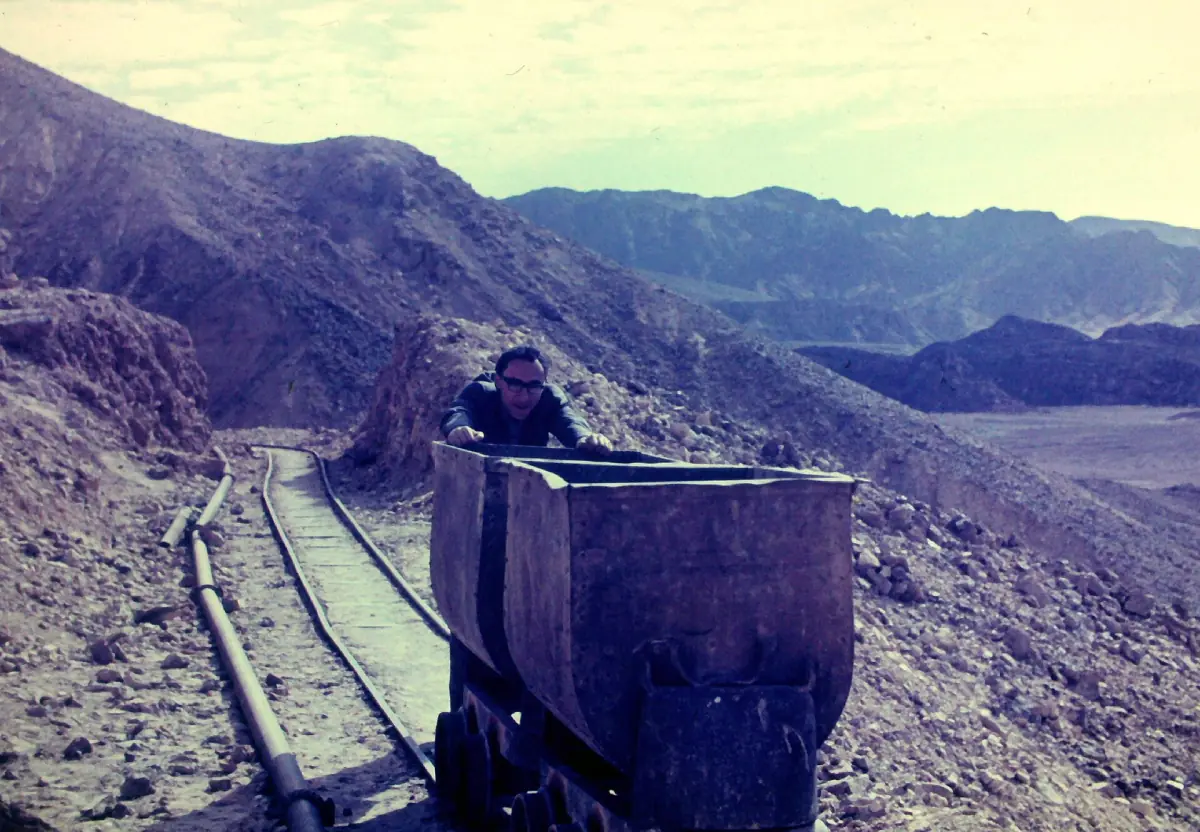
Wadi Sikait is an ancient emerald mining district. Mining probably began towards the end of the Ptolemaic period in the 1st century BC, and the main phase ran in the Roman and Byzantine eras until the 6th century AD. The popular name "Cleopatra's mine" is not proven.
More mining sites
Roman and Byzantine emerald mines lie in the Sikait and Zubara area, in Wadi Gimal and in Wadi Nuqrus. These are regional mining sites. They do not show that a city called Marsa Alam stood on the present town's site.
Visiting the mines
Do not expect marked visitor sites with fixed tickets. If a tour offers a trip to a mining area, ask about permits, the route and the conditions before you book.
Marsa Alam trips: coast, desert and history
Boat trips, desert days and day trips, with live prices and availability.
The harbour story belongs to El Quseir
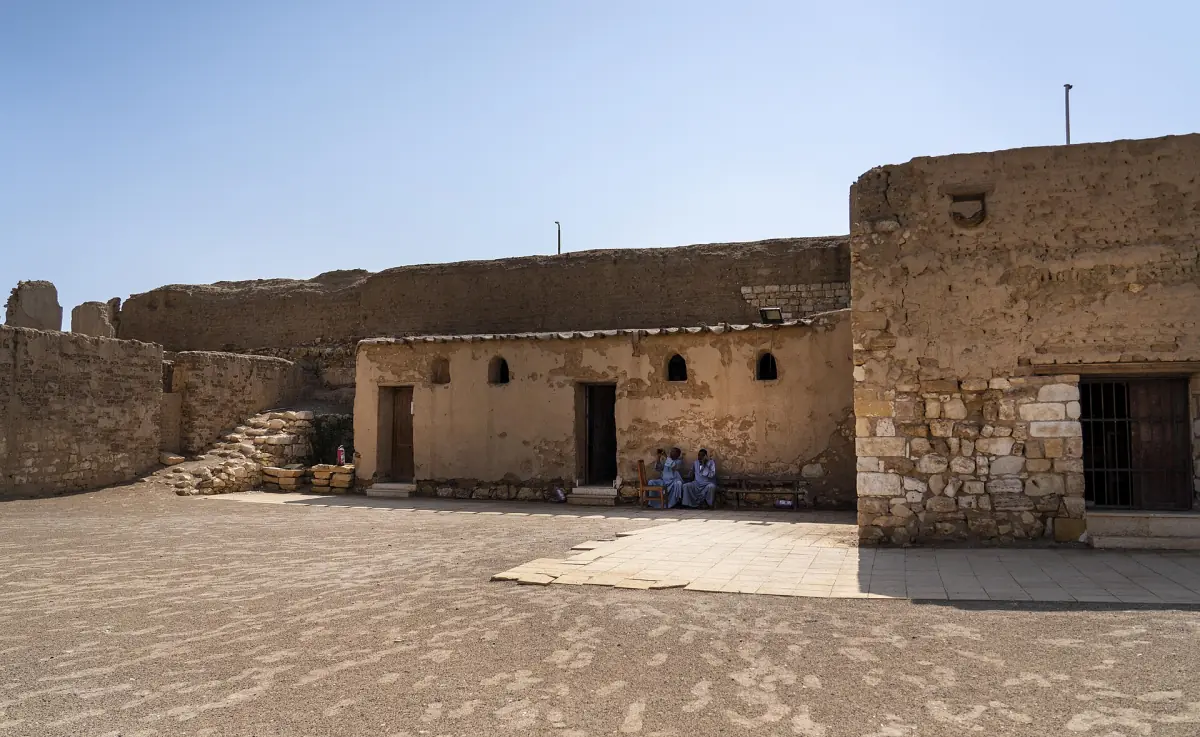
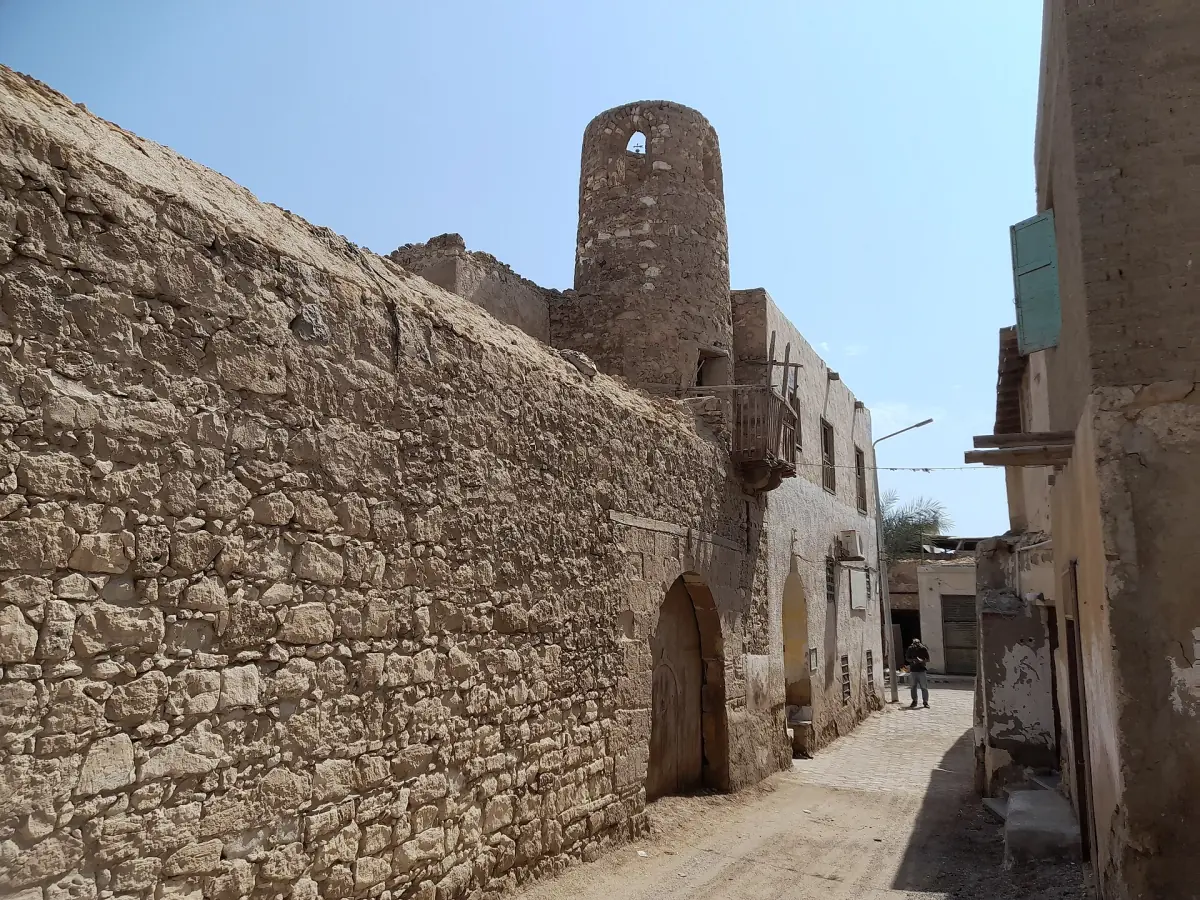
When you read about an old Red Sea port and a fort here, the place meant is El Quseir, about 75 km north of Port Ghalib. Its Ottoman port and fort date to 1571. That history is not the building history of Marsa Alam, and El Quseir has its own page.
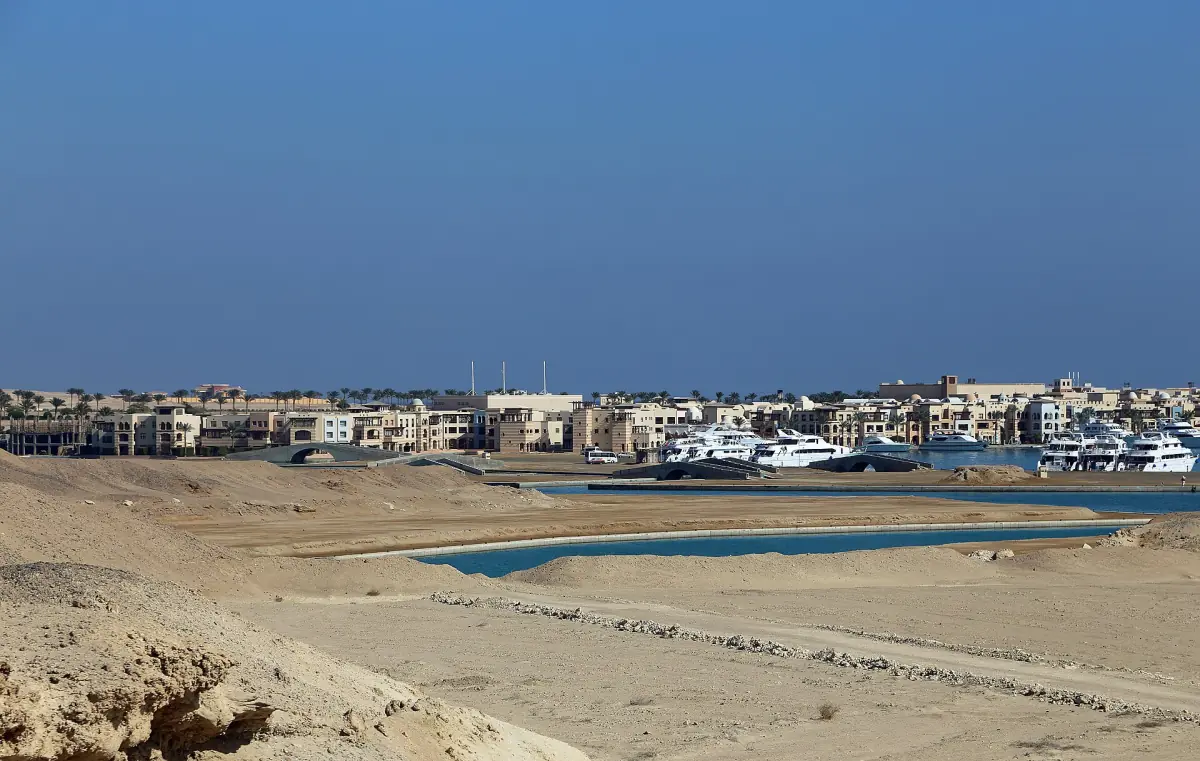
Harbour life on this stretch of coast today centres on Port Ghalib, which is a marina and resort area with an international yacht harbour, a harbour master, customs and immigration, and repair and fuel facilities. It serves visitors and boats and is not a historic town harbour.
You can read more about the old port and its fort in the guide to El Quseir.
The airport and the start of tourism
Two dates that are often mixed up.
November 2001: the first charter flight
The first charter flight from Munich landed on 5 November 2001. Flights therefore arrived before 2003.
2003: the official opening
The official inauguration of the airport followed in 2003. The first flights and the formal opening are two different events.
Today
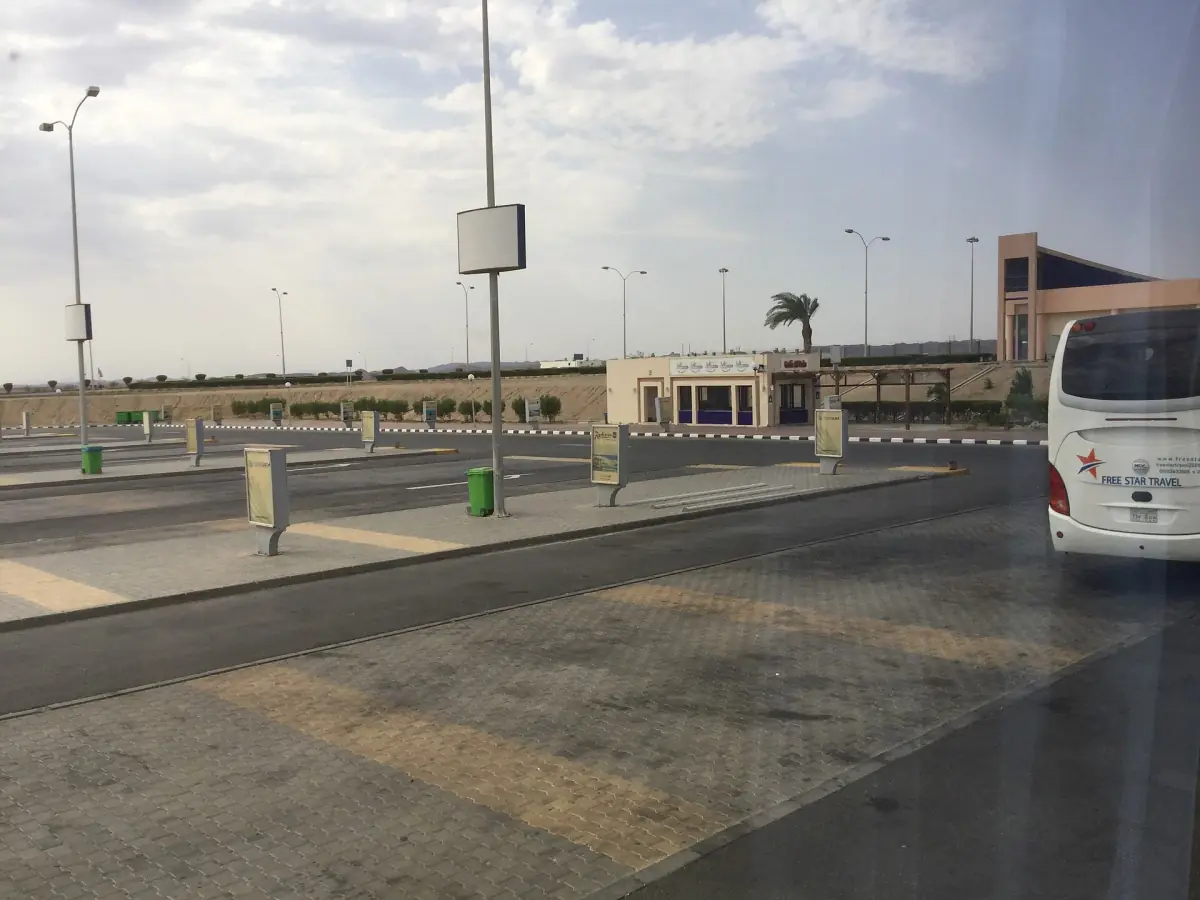
The airport and Port Ghalib work together as the entry to the resort coast. The airport publishes arrivals and departures online, including connections with German and other European cities. You can read the practical side on the Marsa Alam Airport page.
Timeline: from emeralds to a national park
Key dates for Marsa Alam and its surroundings.
| Date | Event | Place |
|---|---|---|
| 1st century BC | Likely start of emerald mining at Wadi Sikait | Eastern Desert, inland |
| Roman and Byzantine eras, to the 6th century AD | Main phase of mining | Sikait, Zubara, Wadi Gimal, Wadi Nuqrus |
| 1571 | Ottoman port and fort | El Quseir |
| 5 November 2001 | First charter flight from Munich | Marsa Alam Airport |
| 2003 | Official opening of the airport; Wadi el Gemal declared a national park | Marsa Alam coast |
| 2025 | Protected area for Egypt's fringing reefs declared, covering 1,800 km² | Red Sea coast |
For most readers, the simplest way to remember it is this: the mines are ancient and inland, the old port is El Quseir, and tourism on this coast is about 25 years old.
Protecting the coast: Wadi el Gemal and the reefs
The Wadi el Gemal and Hamata national park was declared a national park in 2003 and covers 7,636.7 km². It has about 60 km of coast, extends on average 50 km into the hills and 10 km into the sea. It protects mangroves, seagrass, reefs, sand beaches and islands, and its beaches and islands are nesting places for birds and sea turtles. In 2025 a protected area for Egypt's fringing reefs, covering 1,800 km², was added.
Visit the park through Wadi el Gemal, and keep to the rules that protect nesting sites.
Plan the rest of your trip
Where to go next.
Marsa Alam history: frequently asked questions
How old is Marsa Alam?
As a resort it is young; tourism began with the first charter flight on 5 November 2001. The surrounding desert has older mining history, with emerald workings from about the 1st century BC.
Was there an ancient city of Marsa Alam?
An ancient city on the present town's site is not documented. The old sites in the region are emerald mines such as Wadi Sikait.
Were the emerald mines Cleopatra's?
That name is popular but not proven. Mining probably began towards the end of the Ptolemaic period, and the main phase was Roman and Byzantine.
Is the old fort in Marsa Alam?
No. The Ottoman port and fort from 1571 are in El Quseir, the neighbouring town to the north.
When did the airport open?
The first charter flight from Munich landed on 5 November 2001. The official opening followed in 2003.