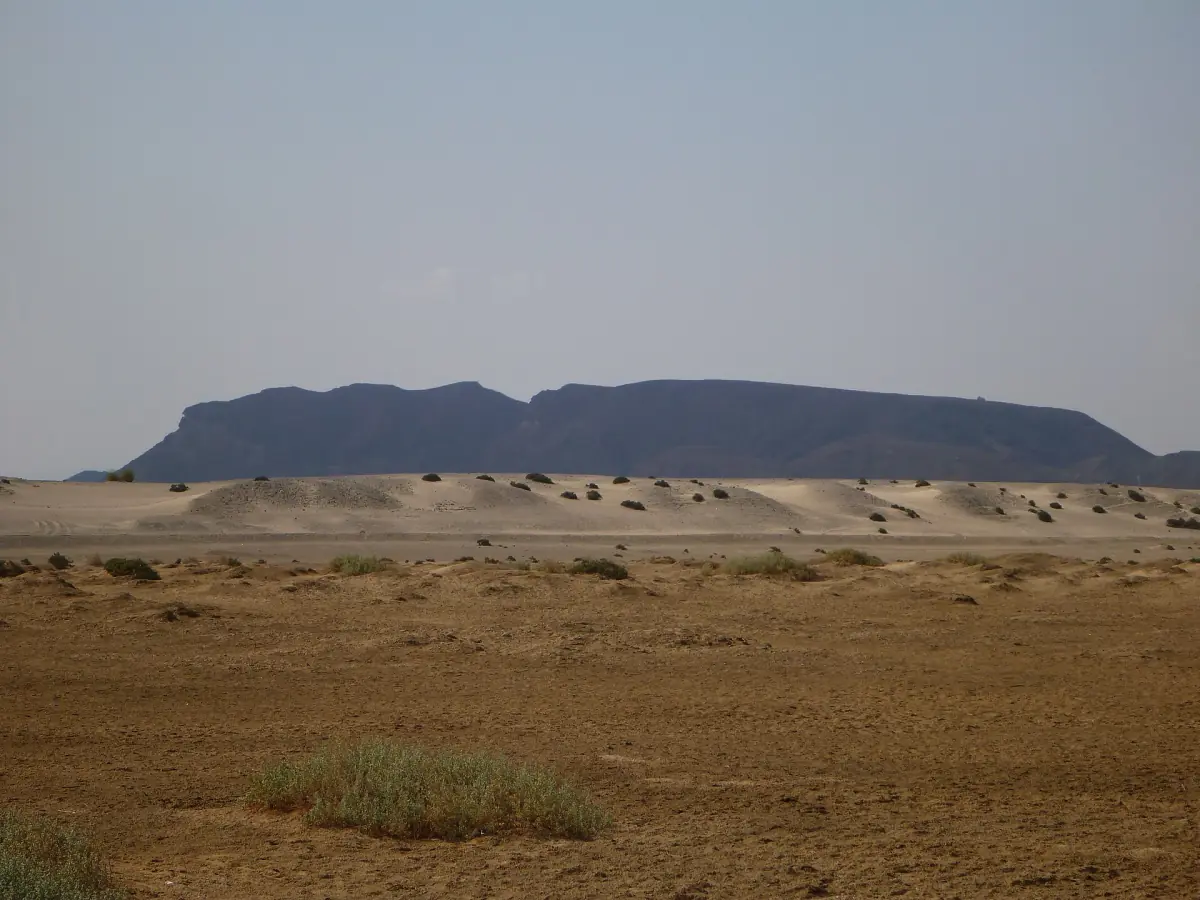
Wadi el Gemal National Park at a glance
Wadi el Gemal National Park, also called Wadi el Gemal and Hamata, was declared in 2003 and covers 7,636.7 square kilometers. It runs for about 60 kilometers along the coast, reaches on average 50 kilometers inland into the mountains and about 10 kilometers out to sea. The park holds mangroves, seagrass beds, reefs, sandy beaches, islands and the Hamata mountains.
For a visitor this is two trips in one. On the coast and in the sea, you go by boat to the Hamata islands for snorkeling. On land, you go into the wadis with a guide, often with camel safaris or jeep trips. The islands and beaches are also nesting areas for sea turtles and birds, and that shapes what you may do there.
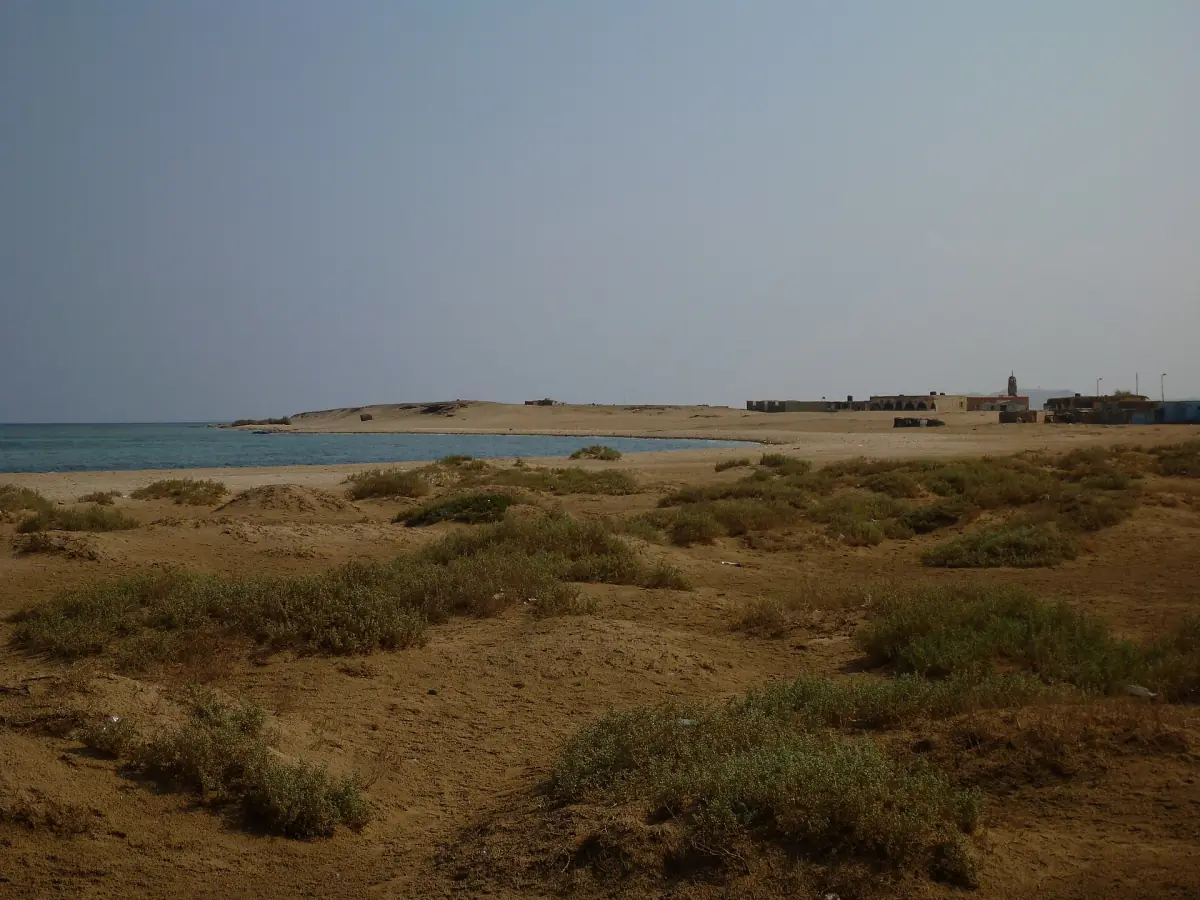
Our pick: the Hamata Islands
A boat day to the islands of the national park, with a beach landing and lunch. The jeep route inland is a separate trip.
Hand-picked tours, booked through GetYourGuide. Prices are indicative starting prices in US dollars (as of October 2026). Tap a tour for live availability and the current price in your currency.
Wadi el Gemal, Hamata and desert trips from Marsa Alam
Boat trips to the Hamata islands, camel safaris and desert tours, with live prices and availability.
What the park holds
Four habitats in one protected area.
Mangroves
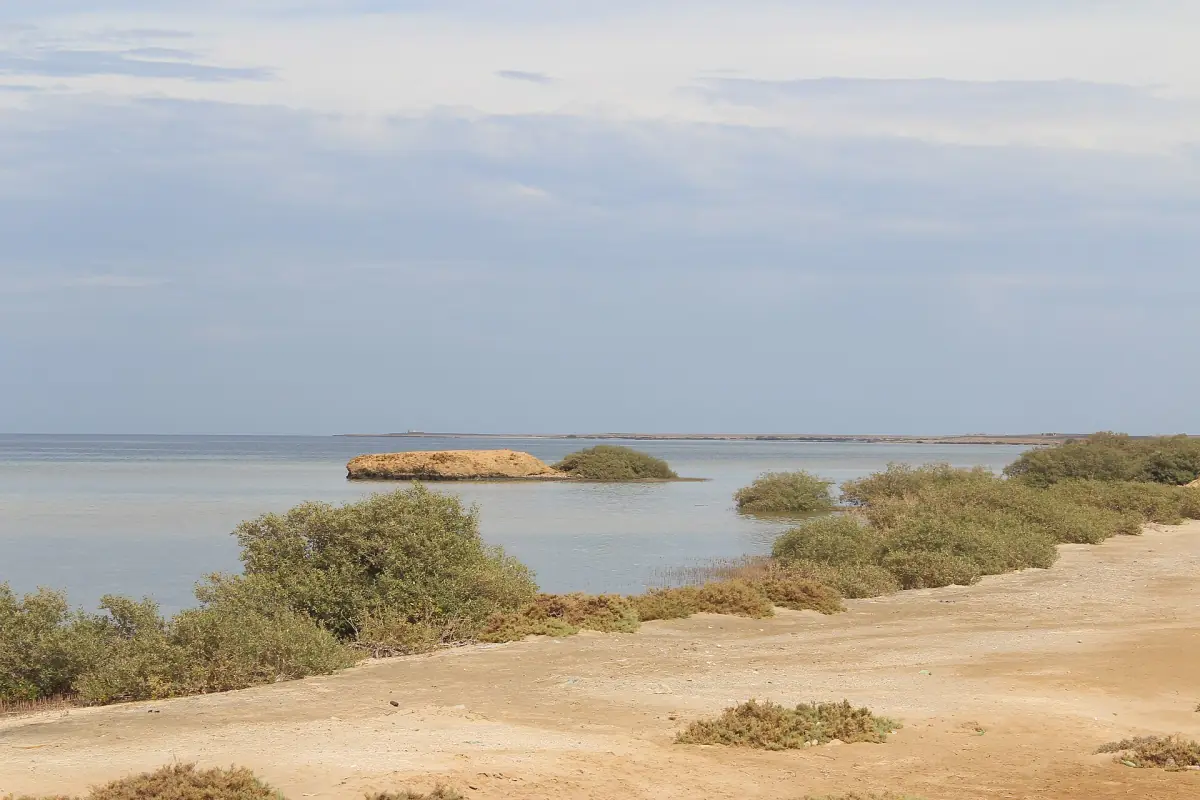
Mangroves grow in the sheltered lagoons of the park, and they are worth a stop for the calm water and the shoreline.
Seagrass and reefs
Seagrass beds and coral reefs run along the coast and around the islands. They are the reason the sea trips are worth the boat ride.
Islands and beaches
Sandy beaches and islands are breeding and nesting areas for birds and sea turtles. Nests are not a visitor attraction, and campfires and crowds have no place there.
Mountains and wadis
Inland, the Hamata mountains and the dry wadis give the desert side of the park. Camel safaris in Wadi el Gemal are one of the ways to see it.
Hamata and the Qulan islands: names that are not the same place
The south of the coast carries several names that travel pages mix up. Ras Qulan is a place on the coast. The Qulan islands are an island group offshore. Hankorab is a separate name. Hamata Island is a snorkeling destination on boat trips.
Do not treat these as interchangeable. Before you book, ask where the boat leaves, which island or reef you visit and whether you will land at all. Landing is not free on every island, and nesting and breeding areas may be closed to visitors. A boat snorkeling trip to Hamata Island starts at about EUR 70 in 2026. Check the current price when you book.
Desert trips and the rules for off-road travel
The desert is not open ground.
Off-road travel in Egypt needs a qualified guide and a permit from the Ministry of Interior. Do not drive in the desert on your own, and do not drive at night outside the towns and resorts. A trip operator should arrange the permit, so ask.
Free camping is not something to assume in a national park. If you want to stay overnight, choose an organised trip and ask what the price covers. Entry fees for protected areas are revised from time to time, so ask the operator which park fees are included in the price you pay.
Boat trip, jeep trip or both? A short comparison
How the options in the park differ.
| Question | Hamata boat trip | Camel safari or jeep trip |
|---|---|---|
| What you see | Reefs, seagrass, islands and mangroves | Wadis, mountains and desert plains |
| Main activity | Snorkeling and time on a boat | Walking, riding and driving with a guide |
| Permit | Landing depends on the island | A guide and a permit are needed for off-road travel |
| Price example | From about EUR 70 for Hamata Island in 2026; check the current price when you book | – |
| Comfort | Sun and sea, sheltered by a boat | Heat and dust, long drives |
For most visitors, the boat trip to the Hamata islands is the more rewarding day, because the water side of the park is its great strength. Add a camel safari or a jeep trip if you have a second day and want the desert. Snorkeling trips along the rest of the coast are compared on the snorkeling page.
Sea turtles in the park
The beaches and islands of Wadi el Gemal are important areas for the reproduction of sea turtles. That is a reason to treat the park gently. Do not light fires on beaches, do not touch or circle turtles in the water, and follow the guide when you land.
The sea turtle page covers the species and the snorkeling rules, and the page on Abu Dabbab Bay explains a beach day in a seagrass bay.
Wadi el Gemal National Park: frequently asked questions
What is Wadi el Gemal National Park?
It is a national park on the Red Sea coast south of Marsa Alam, declared in 2003, with mangroves, seagrass, reefs, islands, beaches and mountains.
How big is the park?
It covers 7,636.7 square kilometers, with about 60 kilometers of coast, mountains on average 50 kilometers inland and about 10 kilometers out to sea.
Can I land on the Hamata islands?
Not on every island and not on every day. Nesting and breeding areas can be closed, so ask the operator where the boat lands.
Can I drive into the desert on my own?
No. Off-road travel needs a qualified guide and a permit from the Ministry of Interior, and night driving outside towns is not advised.
Are Hamata and Qulan the same place?
No. Ras Qulan is a place on the coast, the Qulan islands are an island group and Hamata Island is a snorkeling destination. Ask where your trip goes.
When is the best time to visit the park?
Boat trips run through the year, and the desert is most comfortable from November to March. See weather and travel seasons.